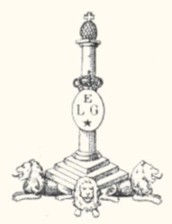
Some of the most beautiful work of this craftsman, and many others, are in this book “Liège Gunmakers through their Work. 1800 - 1950”.
For more detail see: LIEGE GUNMAKERS
Albini Braendlin
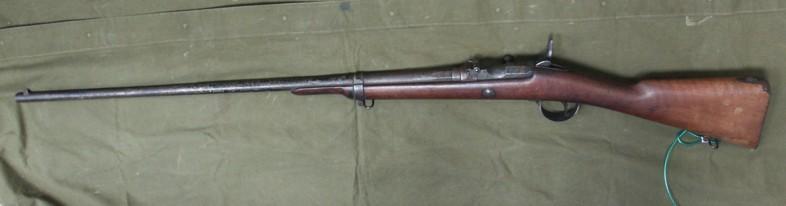
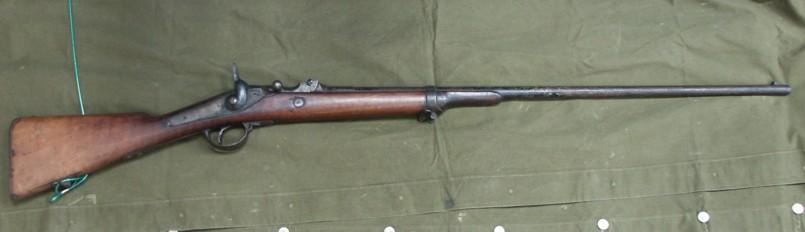
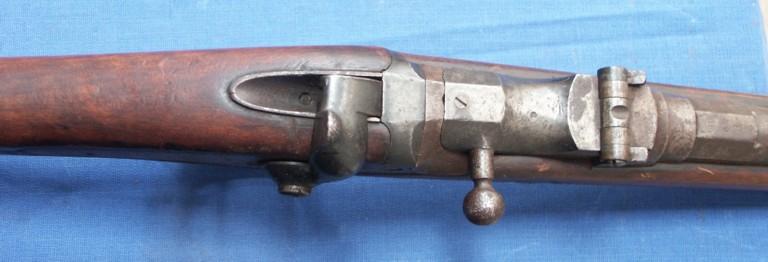
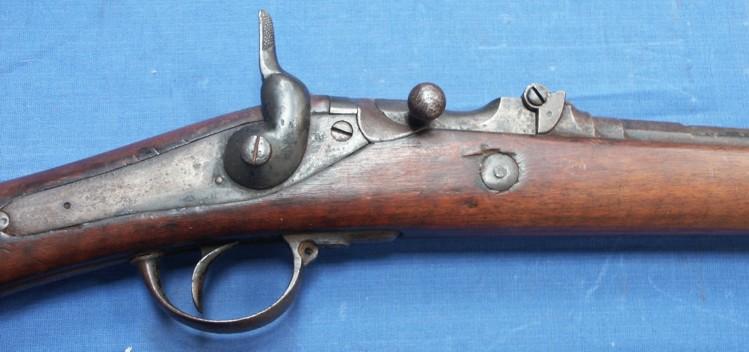
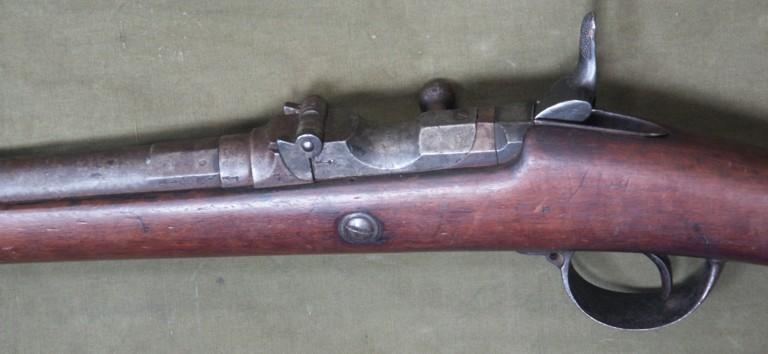
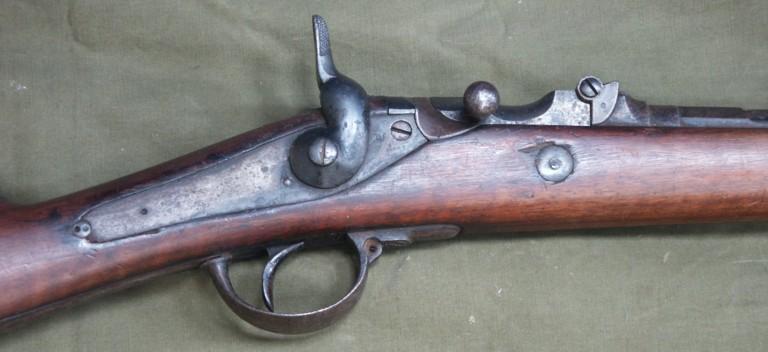
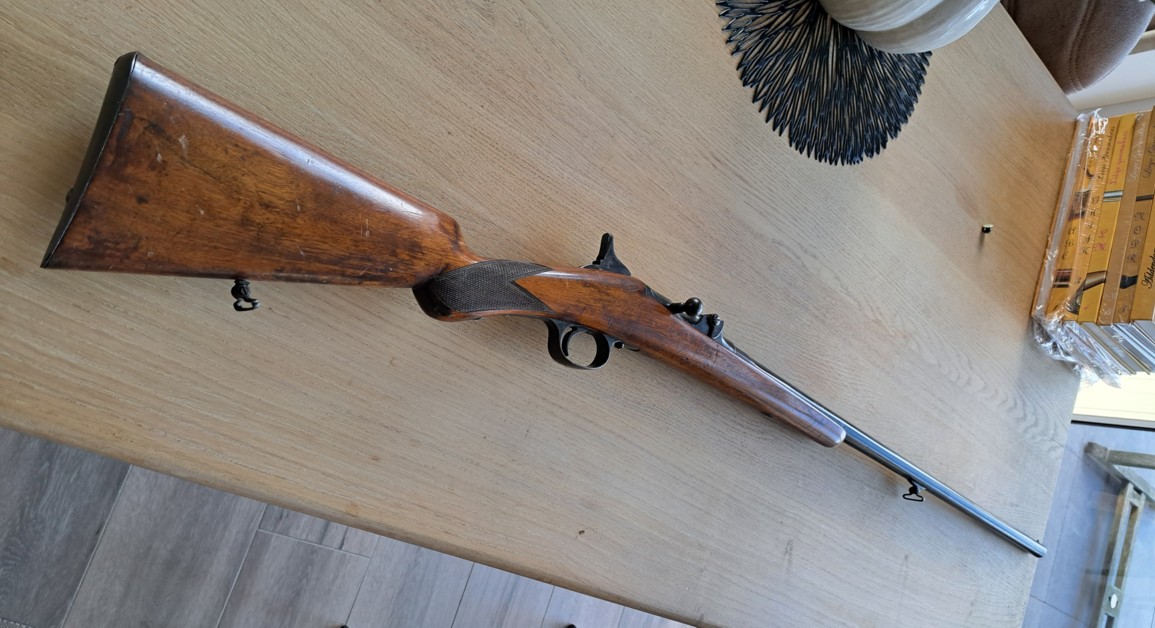
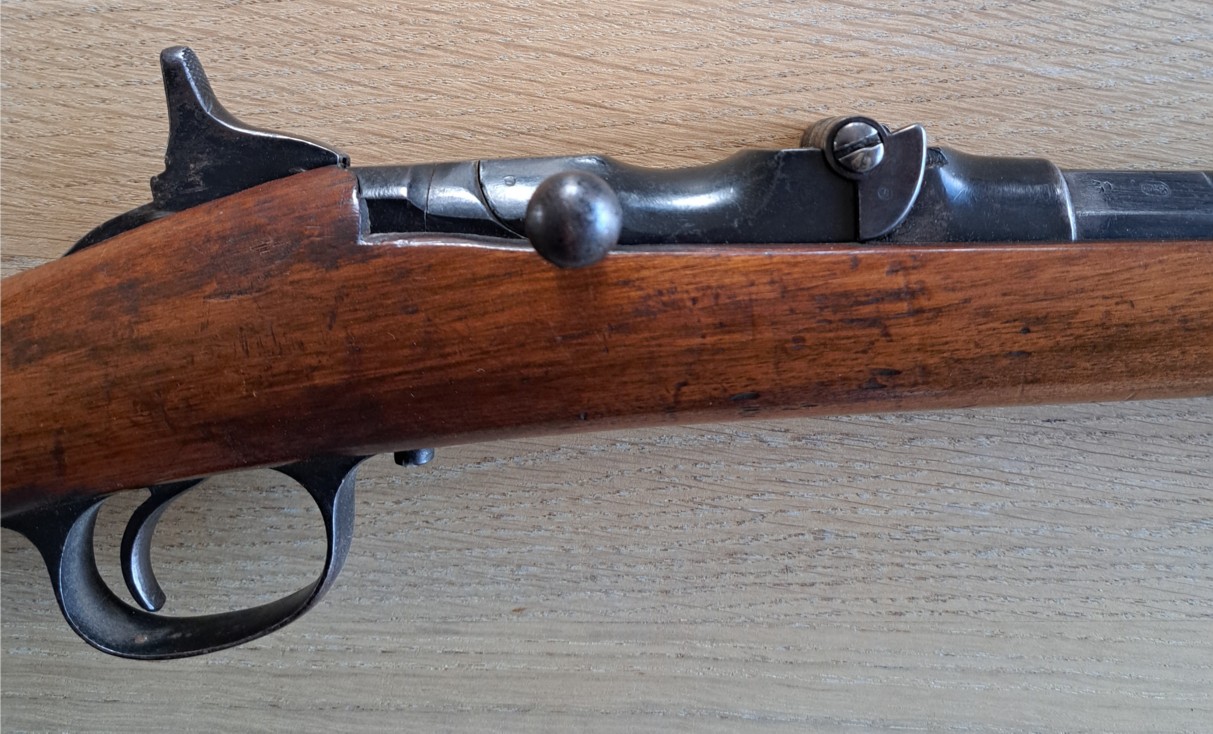
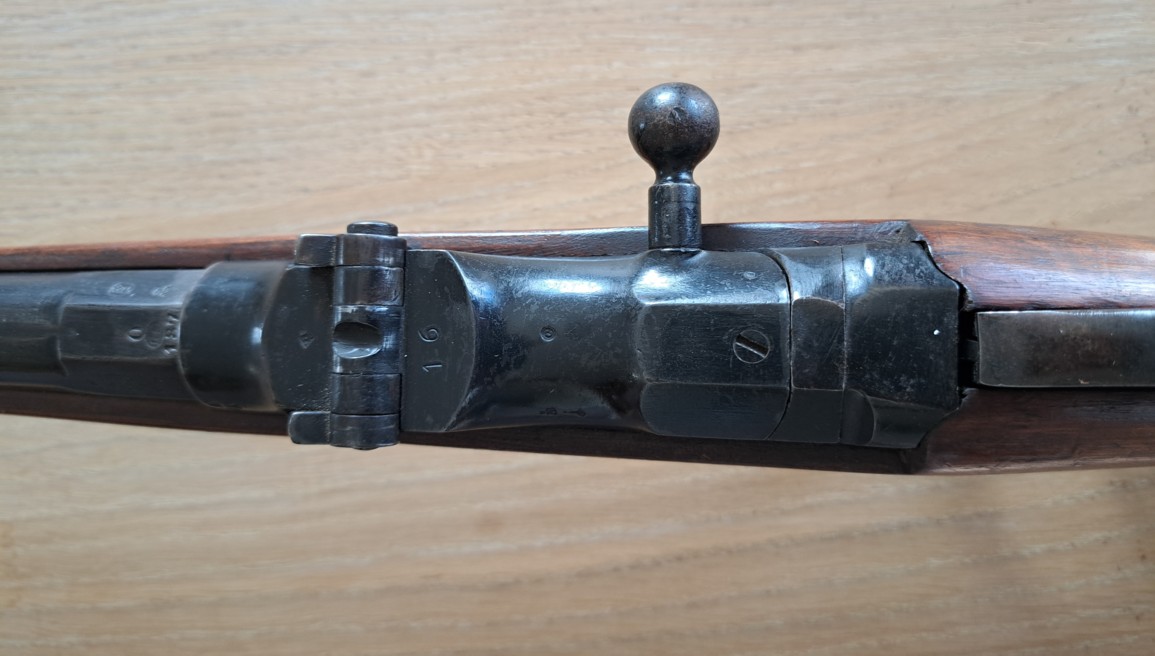
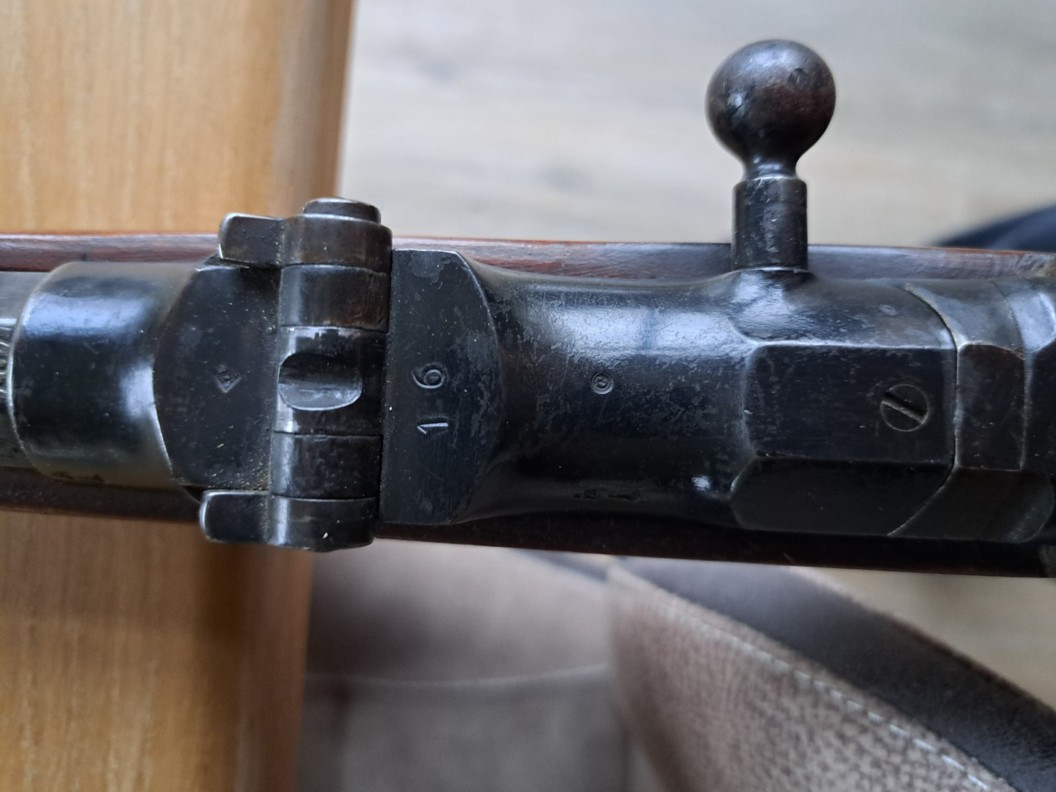
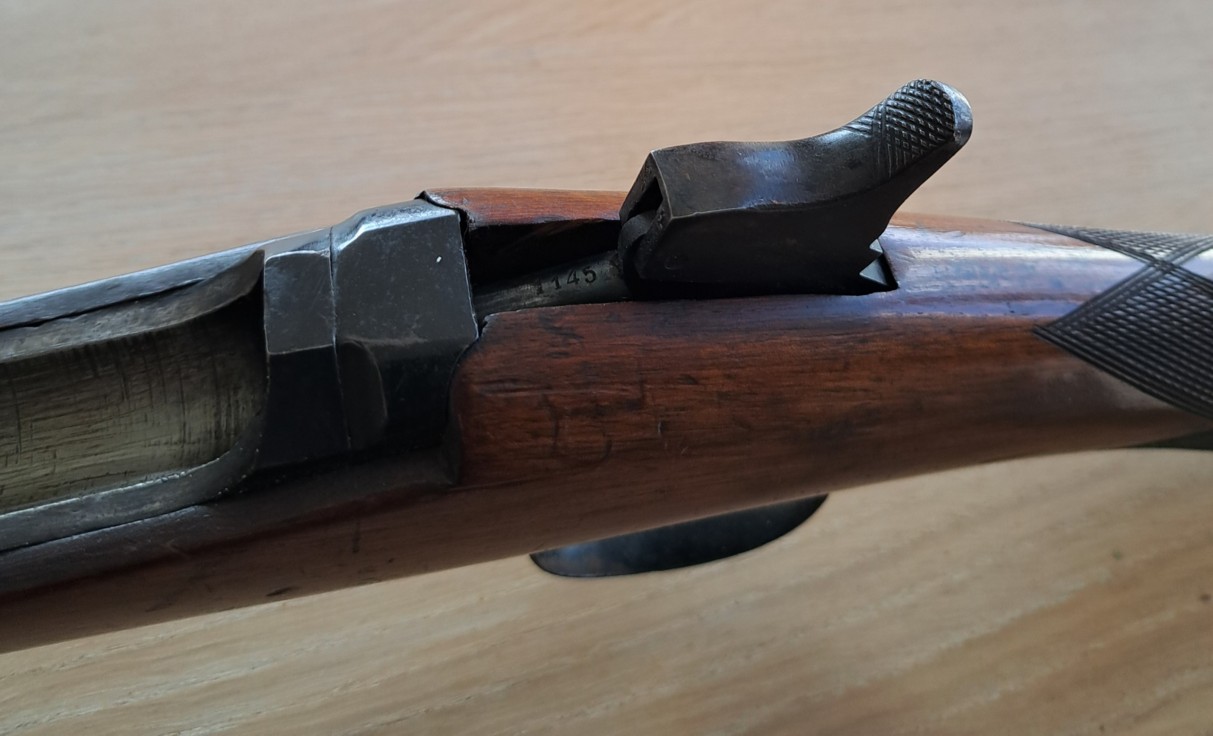
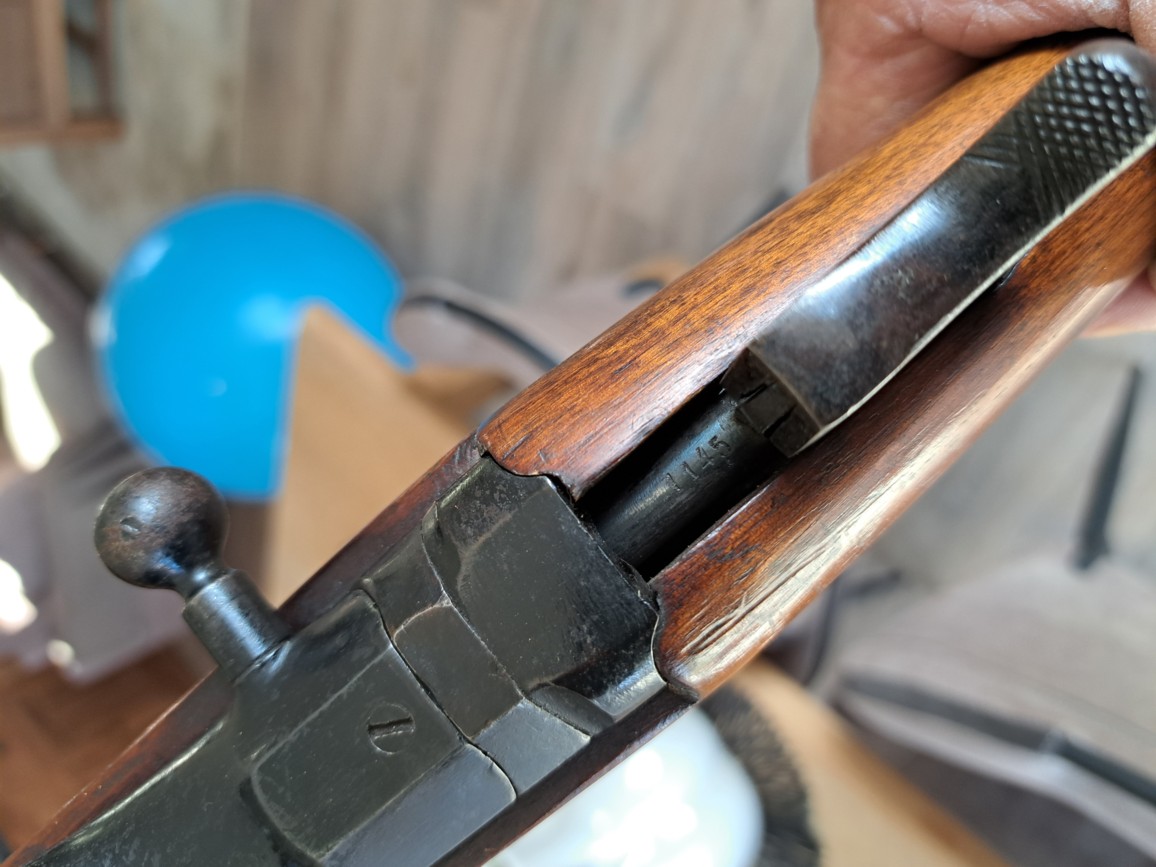
This is a basic regulation 1867 Albini-Braendlin rifle, GB marking for the
Belgian Government, but demilitarized and therefore modified (central position
of the hammer) to transform it into a 16-caliber hunting rifle.
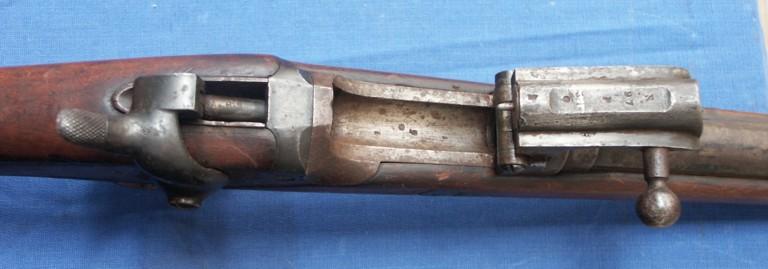
As a reminder (wikipedia source): “the Albini-Braendlin rifle is a single-shot 11 mm caliber weapon with a lifting breech (snuffbox).
It was designed by Augusto Albini, admiral in the Italian Navy, perfected in 1865 by the Englishman Francis Braendlin and industrial production was carried out by the English firm Braendlin Armory.
Belgian rifles were produced by the Fabrique d'Armes de l'Etat in Liège from 1867 (Mle 1853/1867) to 1901 (Mle 1867/1901).
This weapon was regulatory in the Belgian infantry, undoubtedly used by the
French army during the war of 1870."
Several examples of this rifle are described on the site, see:
https://littlegun.be/arme%20belge/artisans%20identifies%20a/a%20albini%20braendlin%20gb.htm
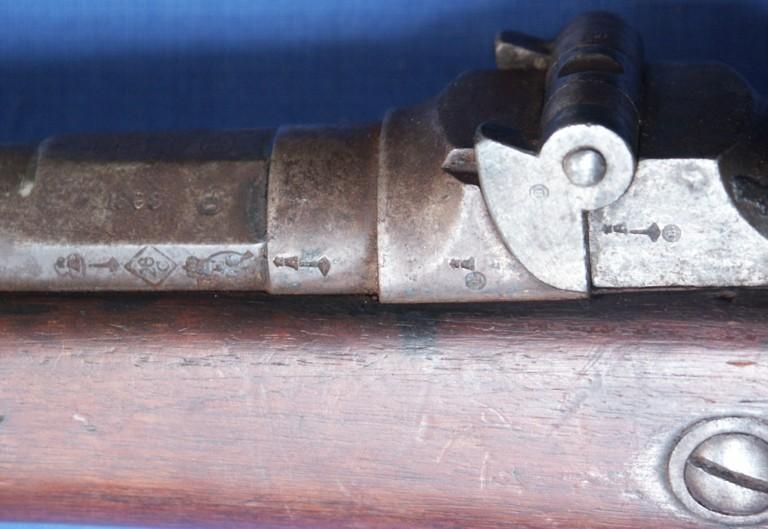
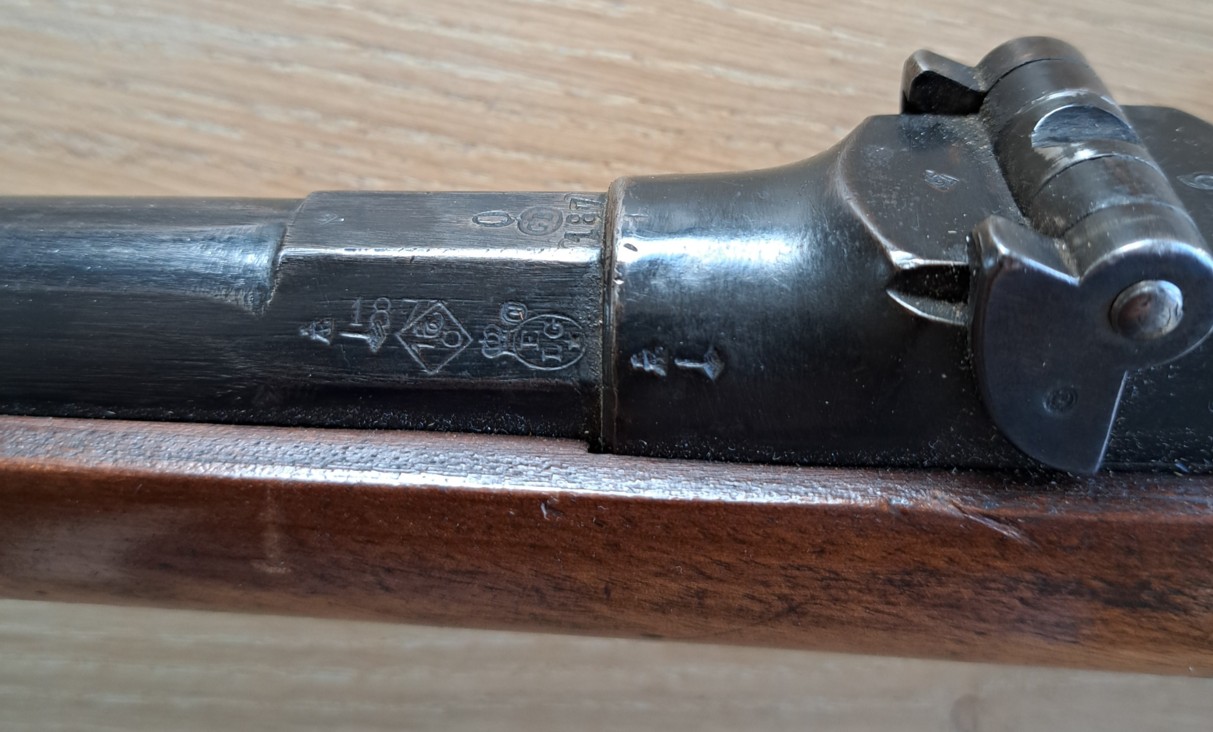
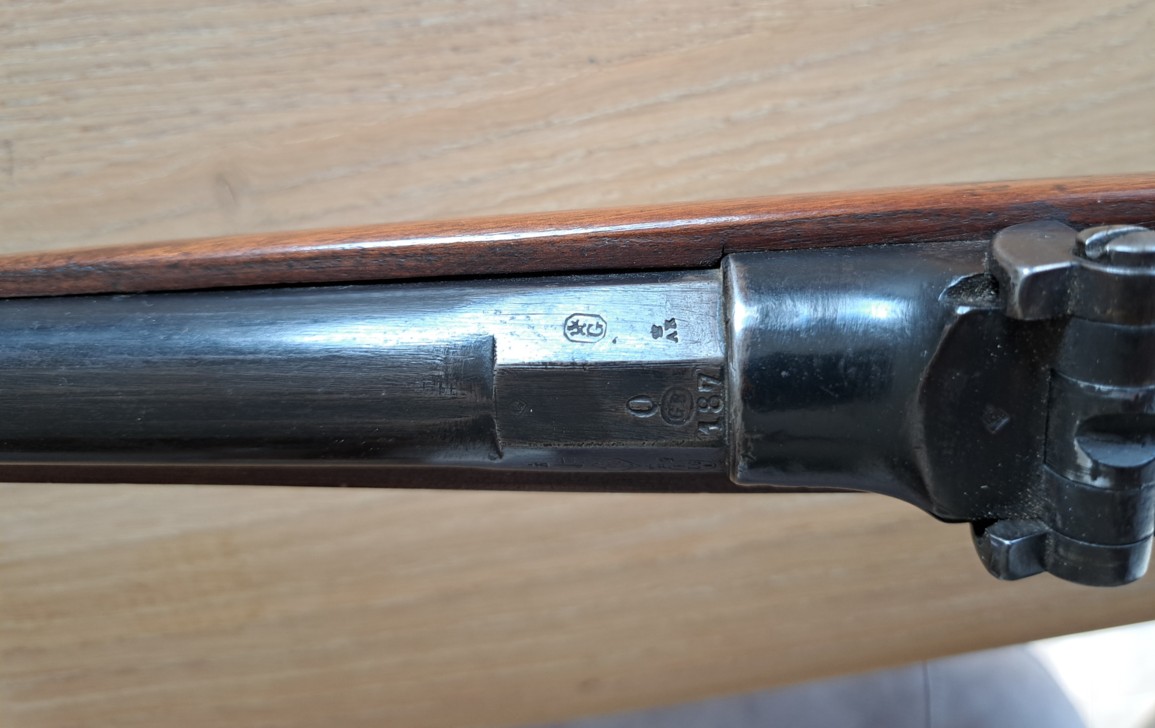
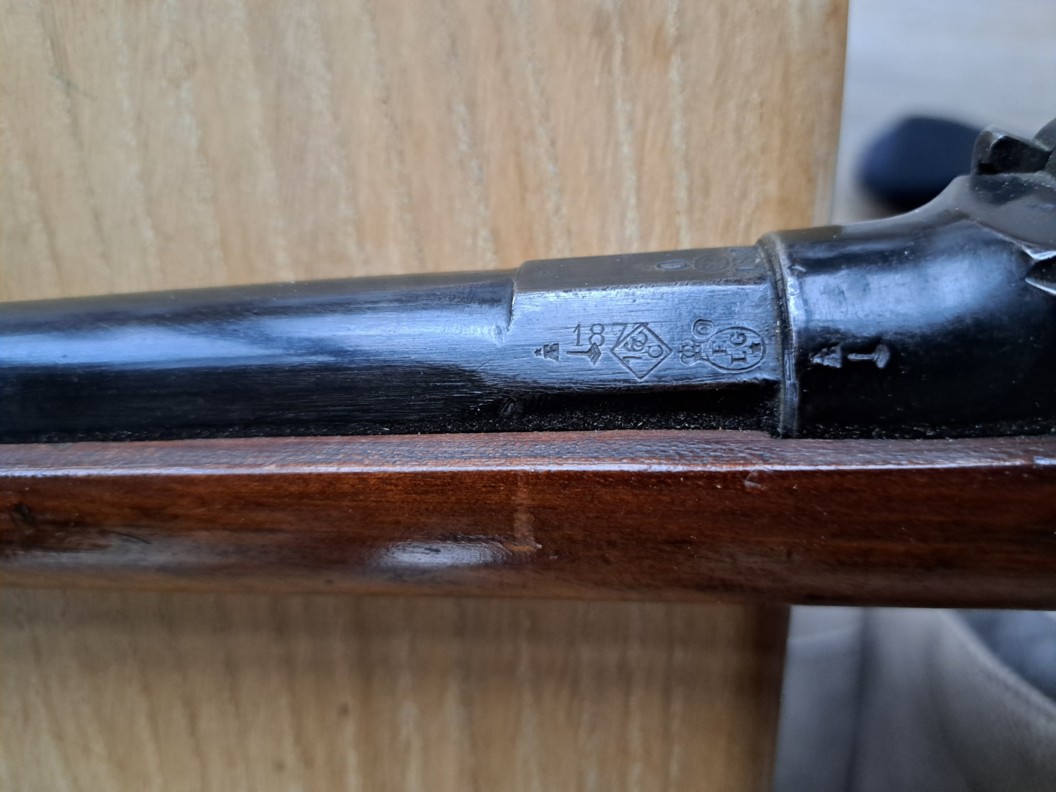
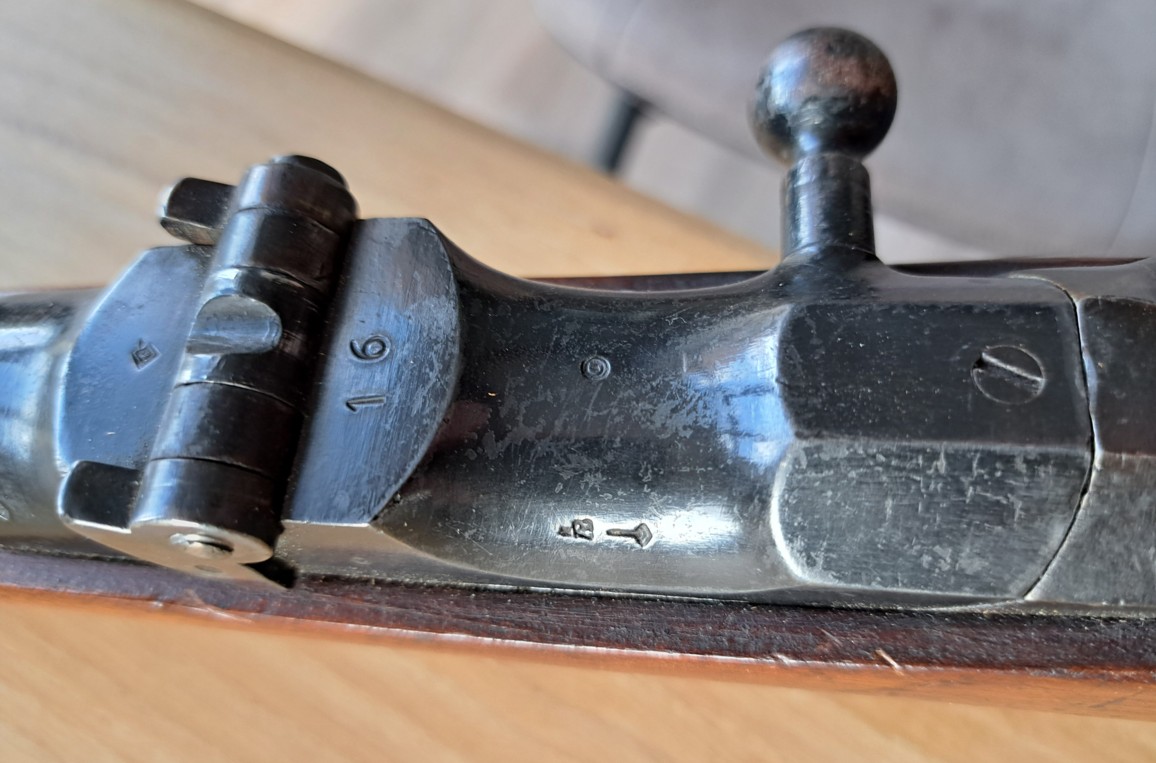
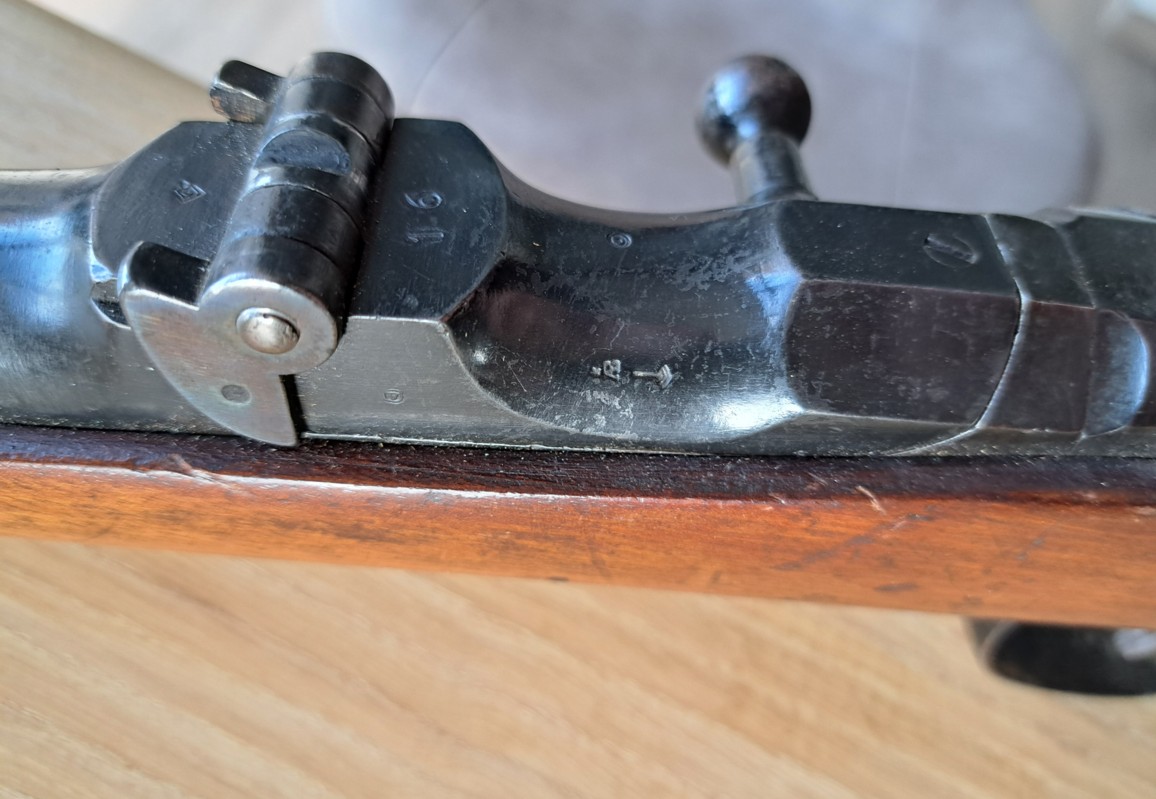
Markings:
1145: serial number.
16: caliber.
Perron: hallmark of the B.E. inspector (valid from 06.16.1853 to the present
day).
AB attached under star: controller's mark after 1877.
1873, partially covered by later markings: date of manufacture.
ELG on star in crowned oval: proof bench after 1893.
16 in a diamond: caliber, used from 1898 to 1924.
GB in lying oval: mark of the Belgian Government.
Letter G under standing lion, in an octagon. According to the identification
guide for Belgian military hallmarks / Portable weapons from 1830 to 1936
(working document by Claude Feys) concerning rapid-fire weapons (Tersen,
Albini...), this is the mark of the war weapons inspector.
AR (hardly readable in the photo, it could be AB, AX, AK?) under crown: probably
mark of the gun controller, according to the source indicated above.
This example of a regulatory Albini-Braendlin rifle was therefore produced in
1873, before being converted into a 16 caliber hunting rifle. It was then
re-tested in Liège after 1898.
Chris, HPH, Alain
Albini Braendlin Infantry model RIFLE
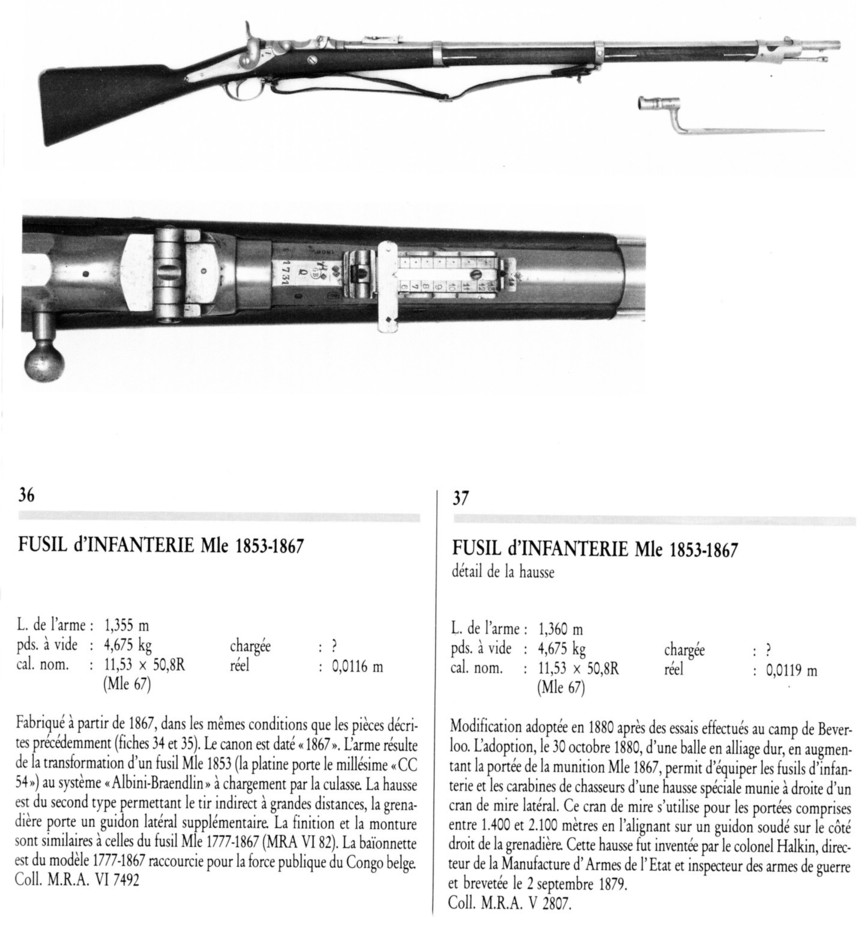
Rare Belgian single shot breech loading military rifle converted from the M.1853 percussion rifle.
The rifle utilizes the breech with a locking bolt attached to the hammer-body. Two steel barrel bands configuration with a nose cap. Steel receiver. Adjustable rear sights.
Ramp and leaf sight graduated to 1400 meters (resighted for the new, higher velocity M.1880 cartridge). A notch on the extended rear sight slide in conjunction with a stud on the middle band could be used for ranges up to 2100 meters.
Complete with original cleaning rod. Matching serial numbers on the chamber, buttplate, rear sight, middle barrel band and locking bolt. The breech displays a different number, which is most likely an assembly number. No numbers on other parts.
The barrel displays a date, "1868"(most likely a conversion date).
The right side of the buttstock displays a very nice cartouche with following wording, "Crown over L, F.DG. J.D. 1867"(King Leopold).
The lock plate displays a maker markings and an original production date, "JH 58".
Belgian government property mark is stamped on the chamber, "GB in the Oval" (Gouvernement Belge).
Several other Belgian marks and proofs are stamped on the various parts of the rifle. Overall length: 53.50 inch. Barrel length: 34.25 inch.
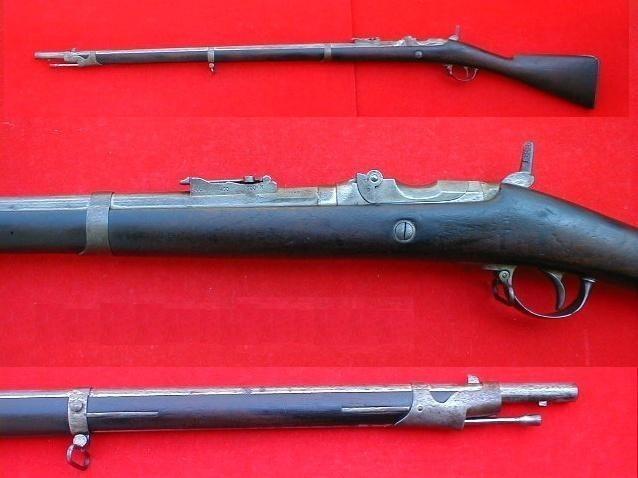
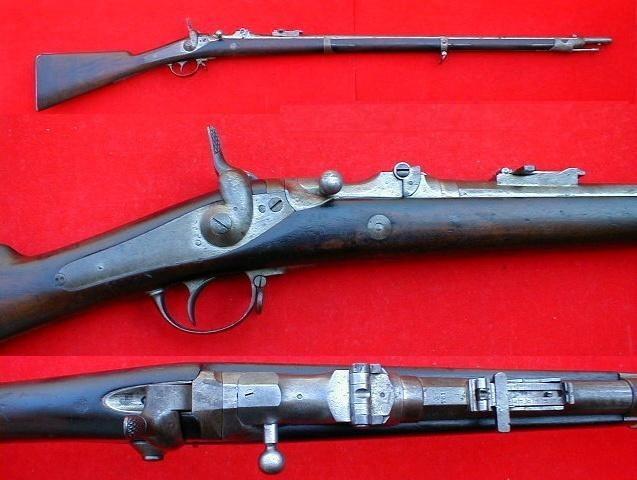
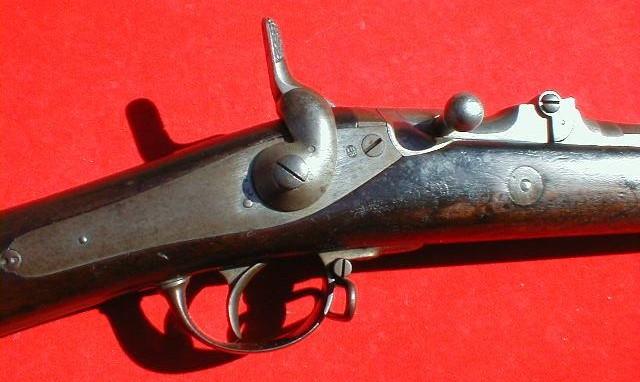
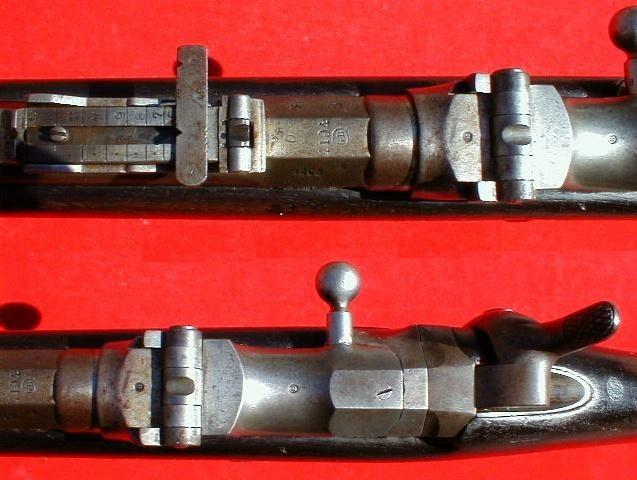
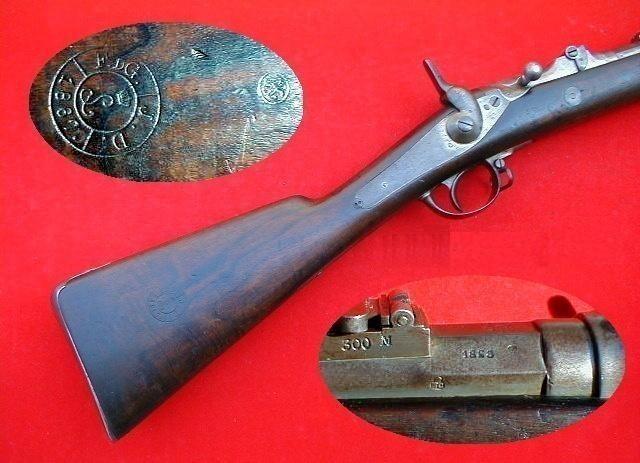
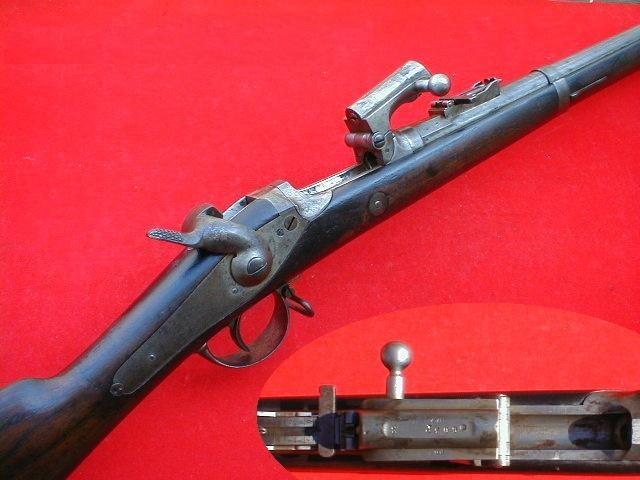
Albini Braendlin musket
Superb quality military-style musket. Possibly a Belgian Military Cadet gun.
Miniature of the full-size military rifle in approximately 75% scale.
Rifles of similar dimensions were used by military academies all over Europe. Smoothbore. This musket would fire both 9 mm ammo and shotgun shells.
Typical Albini-Braendlin trapdoor-type action. Interesting combination of brass receiver and steel trapdoor.
Perfect machining and fitting of all parts! Swiss style butt plate. Military style rear sight. Complete with cleaning rod.
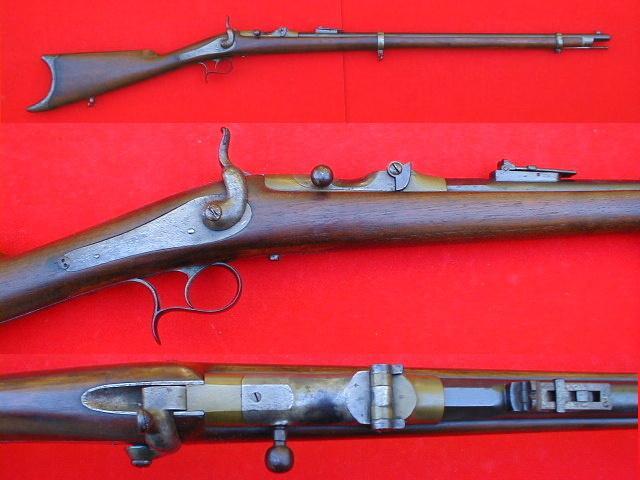
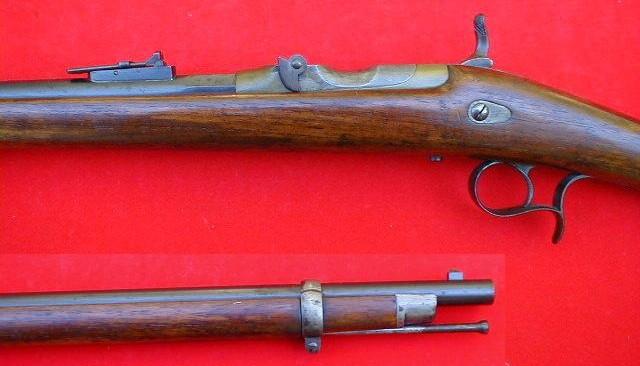
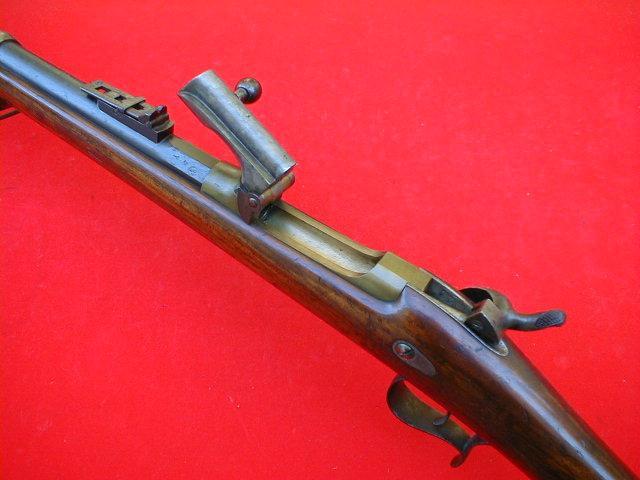
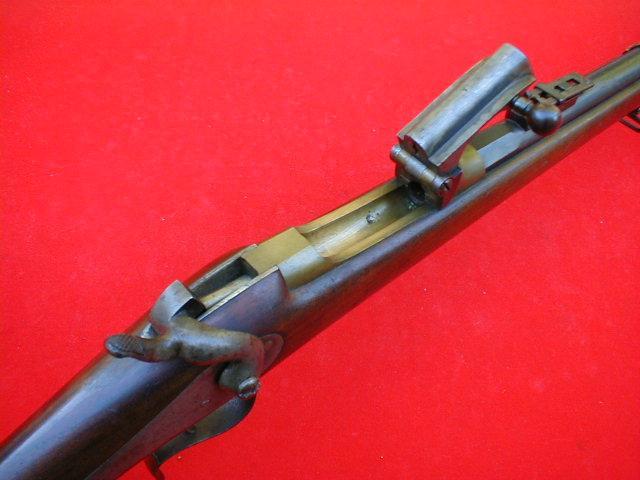
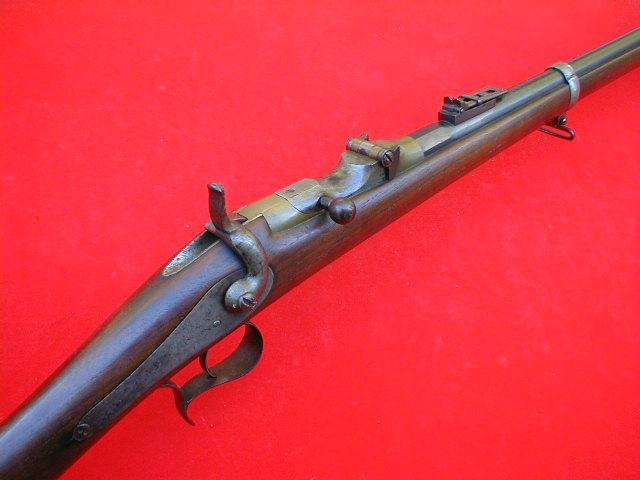
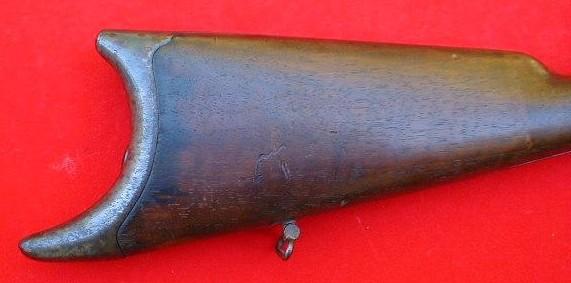
Albin-Braendlin.
Belgium: initial transformation of rifles according to a Montstorm's idea :Extractor Mechanism invented by Augusto Albini and locking bolt attached to the hammer by Francis Braendlin (German working with Brimingham).
Albini-Braendlin: models 1777/67 (11 X 50R), 1841/53/67 and 1853/67, 1877/1873 (11 X 42R), rifle smoothes 1867/1901 (14mm with leads).
PH.
The model 1841 would have undergone the "Albini-Braendlin''conversion ", which would justify the caliber(17,5), the lack of a rear sight and the M.A.E stamp .
Christian Pisart.
ALBINI
The ALBINI Rifle has already been largely covered on this site;
The distinctive feature of this one is that it was rebarreled to 28 Gauge for hunting.
Proof:
The post 1893.Liege Proof House stamp of acceptance.
Marking 28 C in a lozenge used from 1898 to 1924.
GG
Photos Littlegun